Ares, exceeding in strength, chariot-rider, golden-helmed, doughty in heart, shield-bearer, Saviour of cities, harnessed in bronze, strong of arm, unwearying, mighty with the spear, O defender of Olympos, father of warlike Nike, ally of Themis, stern governor of the rebellious, leader of the righteous men, sceptred King of manliness, who whirl your fiery sphere among the planets in their sevenfold courses through the aither wherein your blazing steeds ever bear you above the third firmament of heaven; hear me, helper of men, giver of dauntless youth! Shed down a kindly ray from above upon my life, and strength of war, that I may be able to drive away bitter cowardice from my head and crush down the deceitful impulses of my soul. Restrain also the keen fury of my heart which provokes me to tread the ways of blood-curdling strife. Rather, O blessed one, give you me boldness to abide within the harmless laws of peace, avoiding strife and hatred and the violent fiends of death.
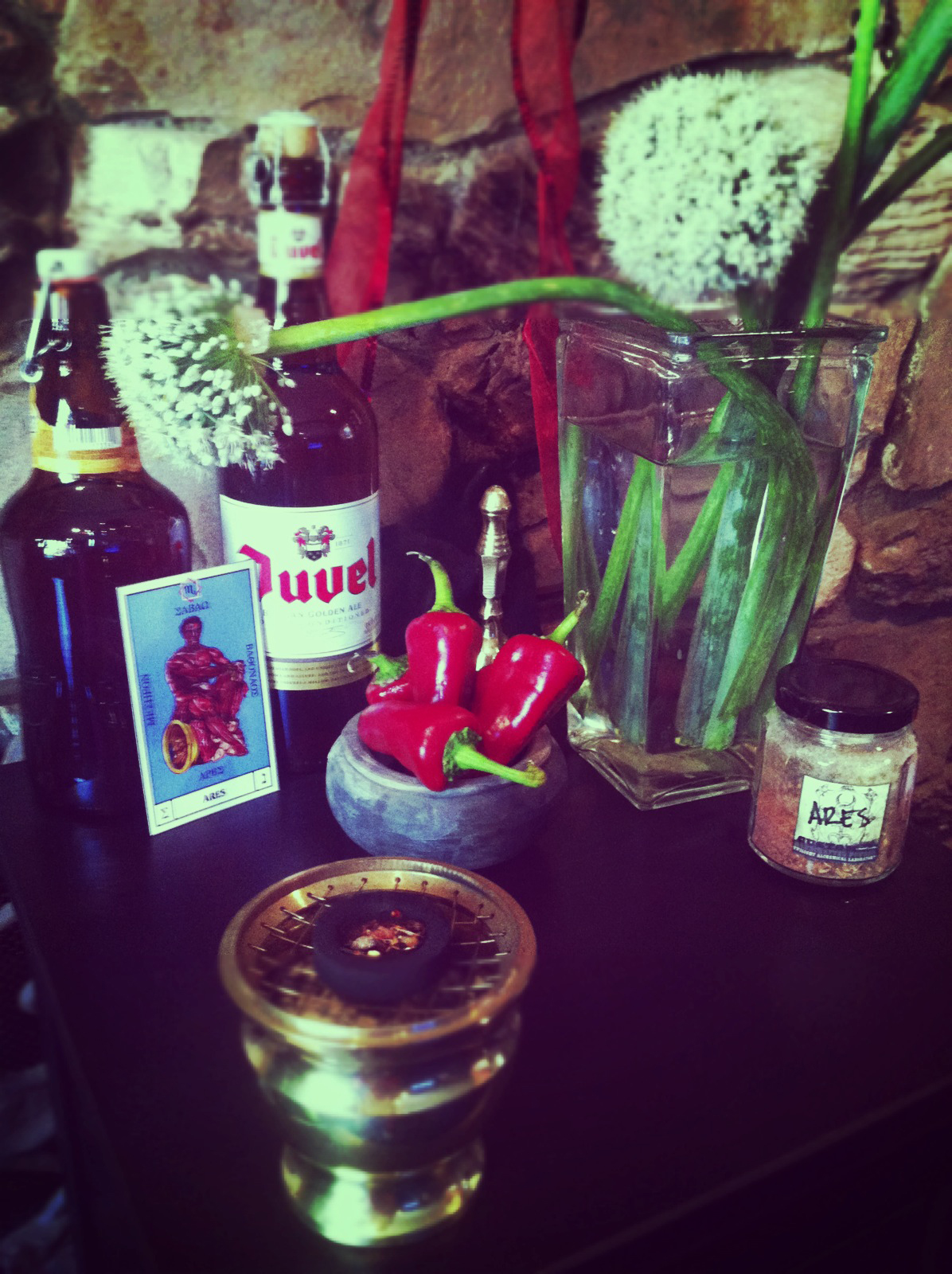
Household shrine to Ares. Onion flowers and peppers from the TAL garden. Ares incense compounded from yarrow, basil, and hyssop from the TAL garden, with dried ginger, myrrh, and dragon’s blood resin.

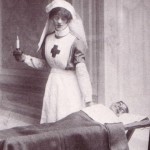
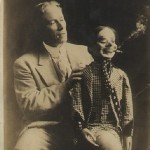

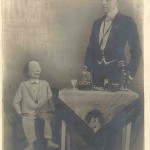

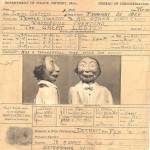

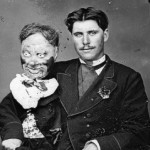
[ source: io9 ]
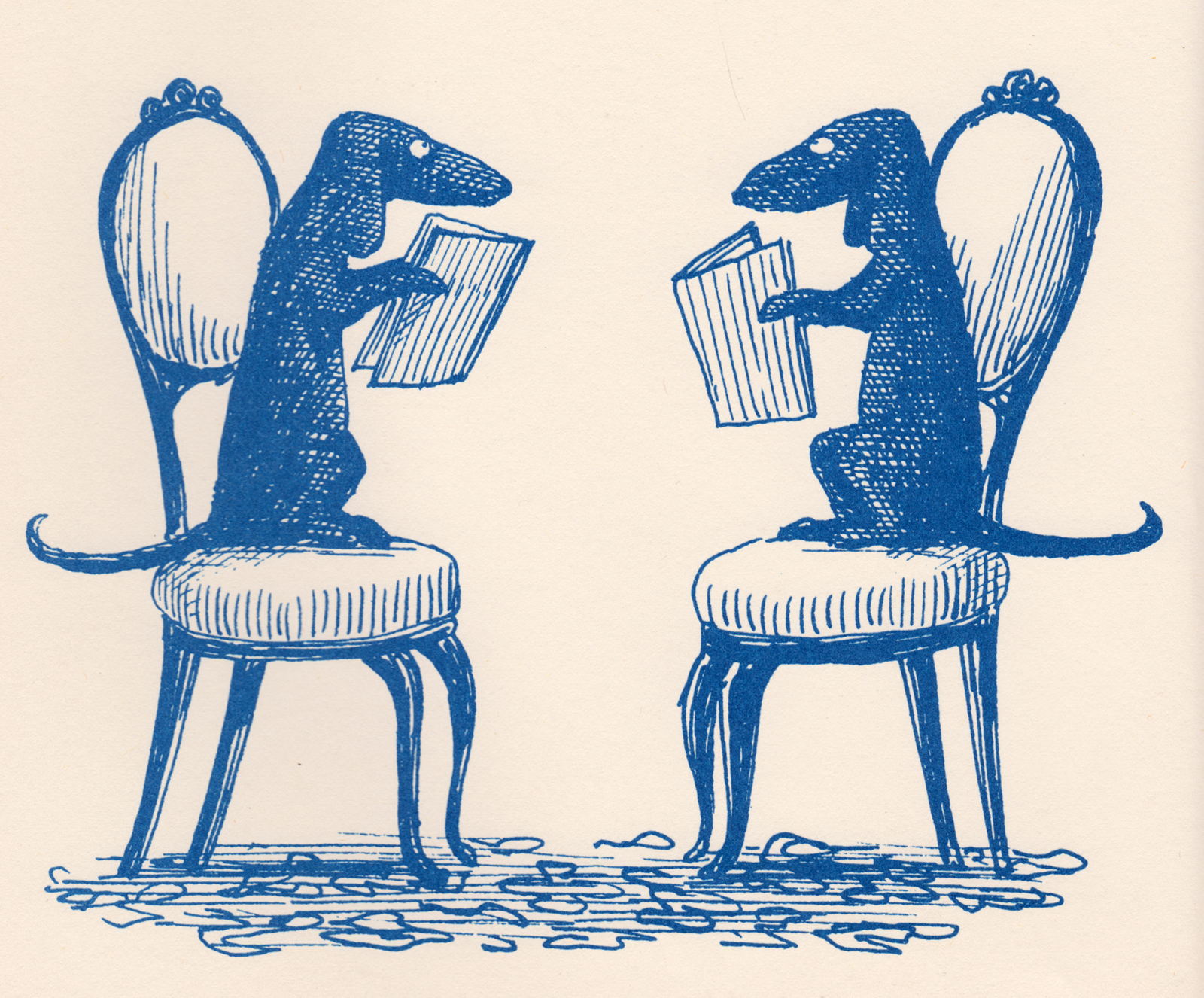
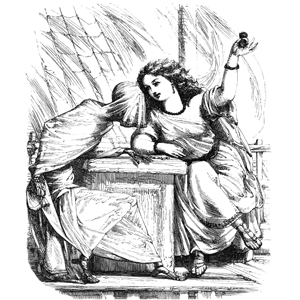
Tonight’s reading: The Demon Pope by Richard Garnett, 1888.
My life found its May grow October.
I talked and I wrote, but, one morning,
Life’s Autumn bore fruit in this warning:
‘Let tongue rest, and quiet thy quill be!
Earth is earth and not heaven, and ne’er will be.’
Man’s work is to labour and leaven—
As best he may—earth here with heaven;
‘Tis work for work’s sake that he’s needing:
Let him work on and on as if speeding
Work’s end, but not dream of succeeding!
Because if success were intended,
Why, heaven would begin ere earth ended.
I hid my heart in a nest of roses,
Out of the sun’s way, hidden apart;
In a softer bed than the soft white snow’s is,
Under the roses I hid my heart.
Why would it sleep not? why should it start,
When never a leaf of the rose-tree stirred?
What made sleep flutter his wings and part?
Only the song of a secret bird.
Lie still, I said, for the wind’s wing closes,
And mild leaves muffle the keen sun’s dart;
Lie still, for the wind on the warm seas dozes,
And the wind is unquieter yet than thou art.
Does a thought in thee still as a thorn’s wound smart?
Does the fang still fret thee of hope deferred?
What bids the lips of thy sleep dispart?
Only the song of a secret bird.
The green land’s name that a charm encloses,
It never was writ in the traveller’s chart,
And sweet on its trees as the fruit that grows is,
It never was sold in the merchant’s mart.
The swallows of dreams through its dim fields dart,
And sleep’s are the tunes in its tree-tops heard;
No hound’s note wakens the wildwood hart,
Only the song of a secret bird.
ENVOI
In the world of dreams I have chosen my part,
To sleep for a season and hear no word
Of true love’s truth or of light love’s art,
Only the song of a secret bird.
[ Lions of Literature: Swinburne, by Gilbert Alter-Gilbert ]

March 10, 2009—Among the many medieval plague victims recently unearthed near Venice, Italy, one reportedly had never-before-seen evidence of an unusual affliction: being “undead.”
The partial body and skull of the woman showed her jaw forced open by a brick (above)—an exorcism technique used on suspected vampires.
It’s the first time that archaeological remains have been interpreted as belonging to a suspected vampire, team leader Matteo Borrini, a forensic archaeologist at the University of Florence, told National Geographic News.
Borrini has been digging up mass graves on the island of Lazzaretto Nuovo, where the “vampire” was found, since 2006.
(See mass grave pictures of plague victims on another island near Venice.)
“I was lucky. I [didn’t] expect to find a vampire during my excavations,” he said.
Belief in vampires was rampant in the Middle Ages, mostly because the process of decomposition was not well understood.
For instance, as the human stomach decays, it releases a dark “purge fluid.” This bloodlike liquid can flow freely from a corpse’s nose and mouth, so it was apparently sometimes confused with traces of vampire victims’ blood.
The fluid sometimes moistened the burial shroud near the corpse’s mouth enough that it sagged into the jaw, creating tears in the cloth.
Since tombs were often reopened during plagues so other victims could be added, Italian gravediggers saw these decomposing bodies with partially “eaten” shrouds, Borrini said.
Vampires were thought by some to be causes of plagues, so the superstition took root that shroud-chewing was the “magical way” that vampires spread pestilence, he said. Inserting objects—such as bricks and stones—into the mouths of alleged vampires was thought to halt the disease.
[ source: national geographic news, via steve niles ]
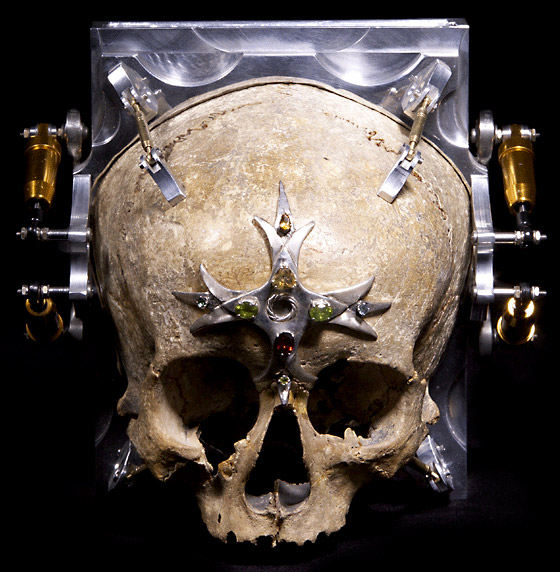
Third Eye Camera
Designed to study the beauty of decay.
4″x5″ camera made from Aluminium, Titanium, Brass, Silver, Gem Stones and a 150 year old skull of a 13 year old girl. Light and time enters at the third eye, exposing the film in the middle of the skull.
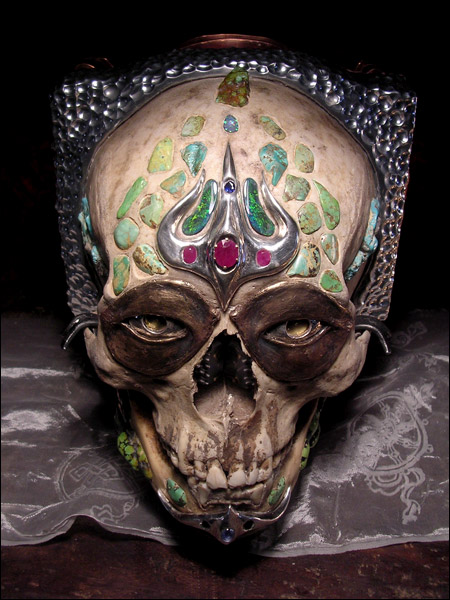
Yama (Tibetan Skull Camera)
Designed for the study of exodus and for the research of modern incarnations of historical iconic figures.
The latest camera is named Yama, the Tibetan God of Death. In Tibetan Buddhism, Yama will see all of life and Karma is the “judge” that keeps the balance. The skull was blessed by a Tibetan Lama for its current journey and I’m working with a Tibetan legal organization that is sending me to the refugee cities in India.
Yama’s eyes are cast from bronze and silver with a brass pinhole in each. A divider runs down the middle of the skull creating two separate cameras. A finished contact print mounted on copper is inserted in to the back of the camera to view what Yama saw in 3D.
Yama is made from Aluminium, Titanium, Copper, Brass, Bronze Steel, Silver, Gold, Mercury with 4 Sapphires, 3 Rubies (The one at Yama’s third eye was $5000.00), Asian and American Turquoise, Sand, Blood, and 9 Opals inlayed in the Skull. The film loading system is pneumatic. A 300psi air tank in the middle of the camera powers 2 pneumatic pistons to move the film holder forward and lock it into place. The switch to open and close the film chamber is located under the jaw.
Designed for two photo series. First series is of my interpretation of the modern incarnation of Southeast Asians deities. Second will take place in the Tibetan refugee cities of India, a home coming through the eyes of a 500 year old Tibetan.
[ source / artist: boy of blue industries ]